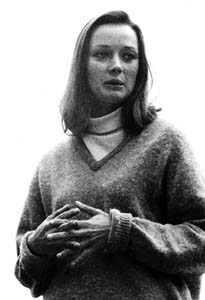
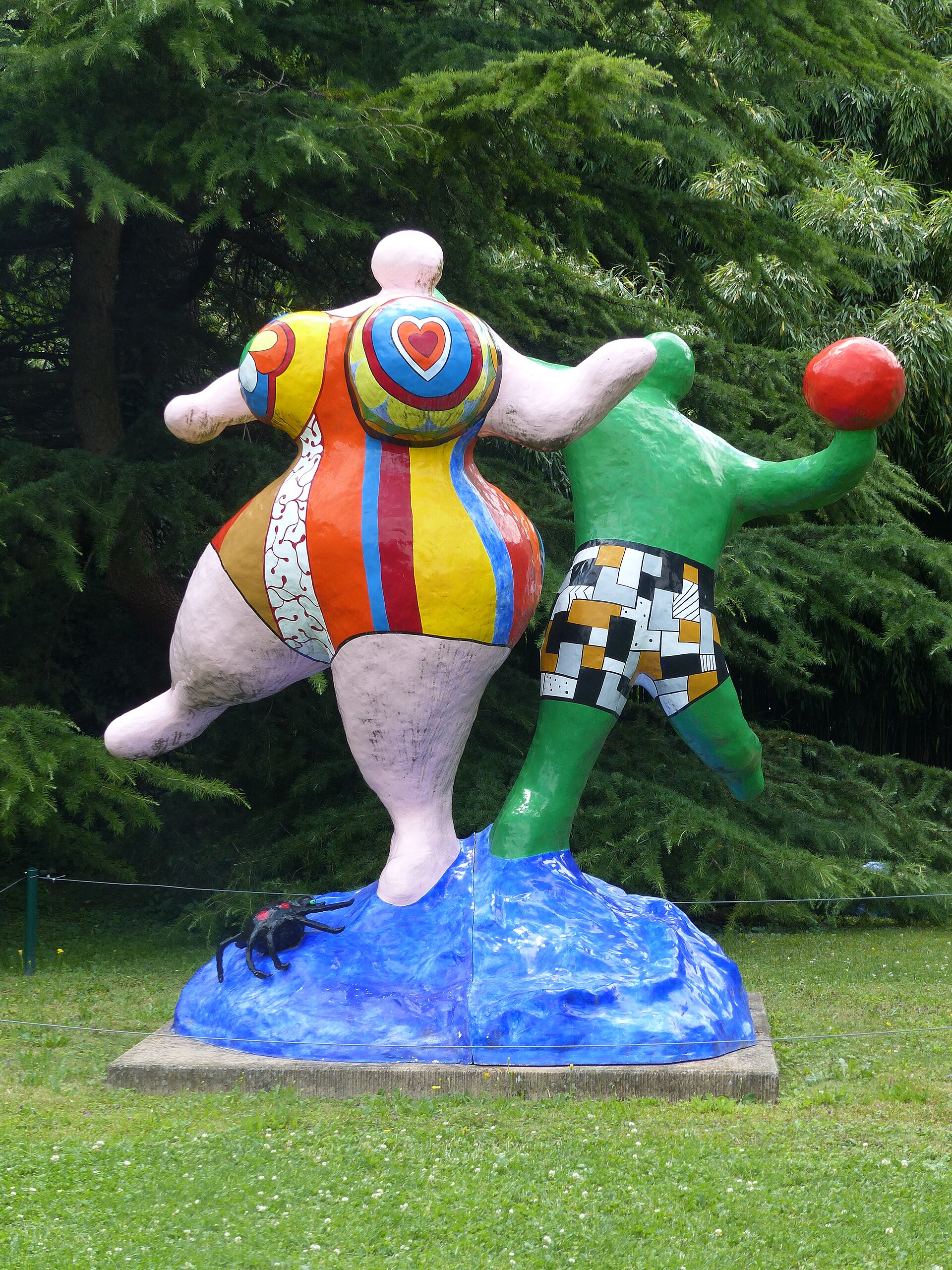
Before the monumental, joyfully coloured Nanas came shooting paintings, assemblage and a practice that transformed anger into public form. The directness of her gaze belongs to the work: glamour and revolt were never opposites.
Her figures refuse delicacy as a condition of femininity. Rounded, ecstatic and brightly patterned, they occupy landscape with comic confidence and make pleasure feel physically enormous.
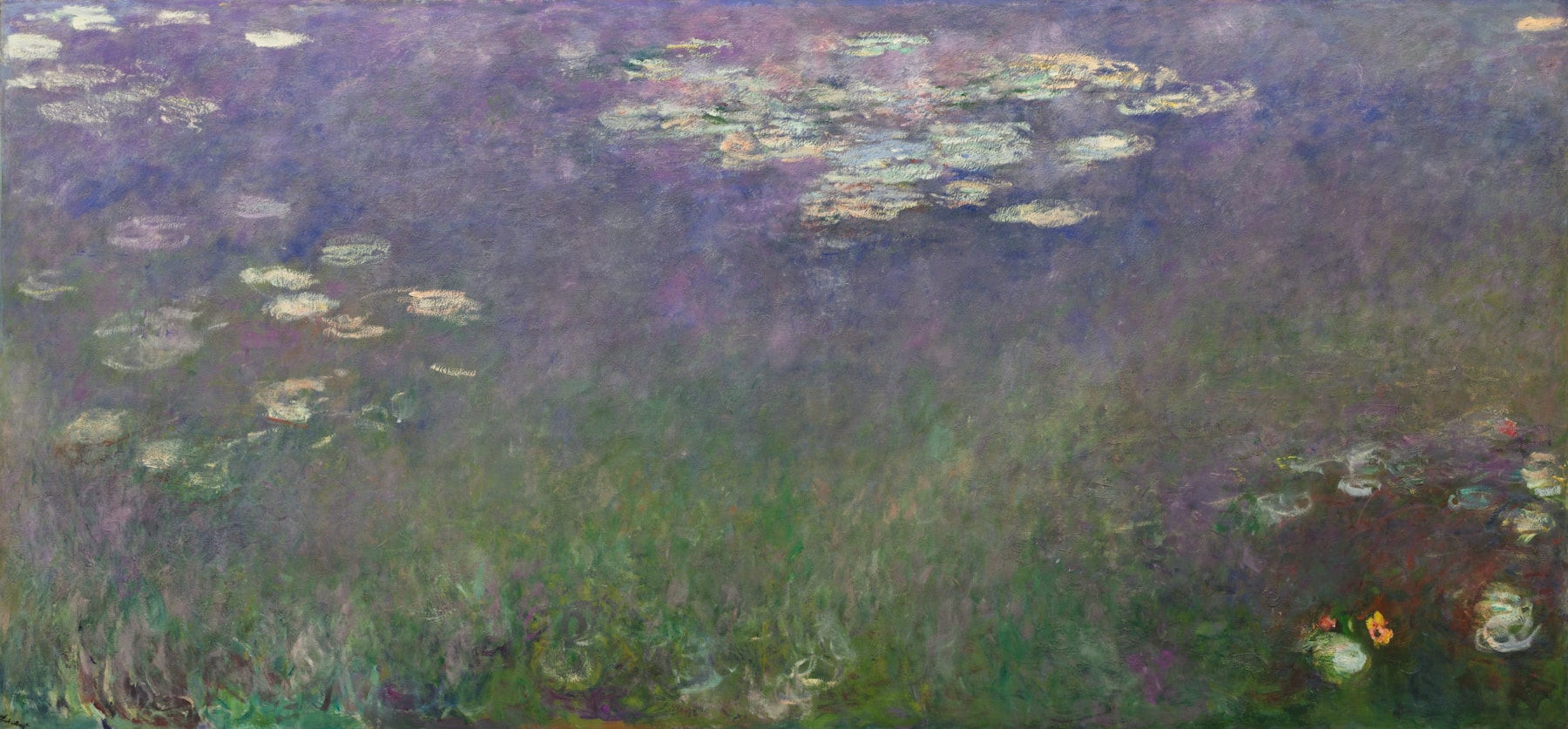
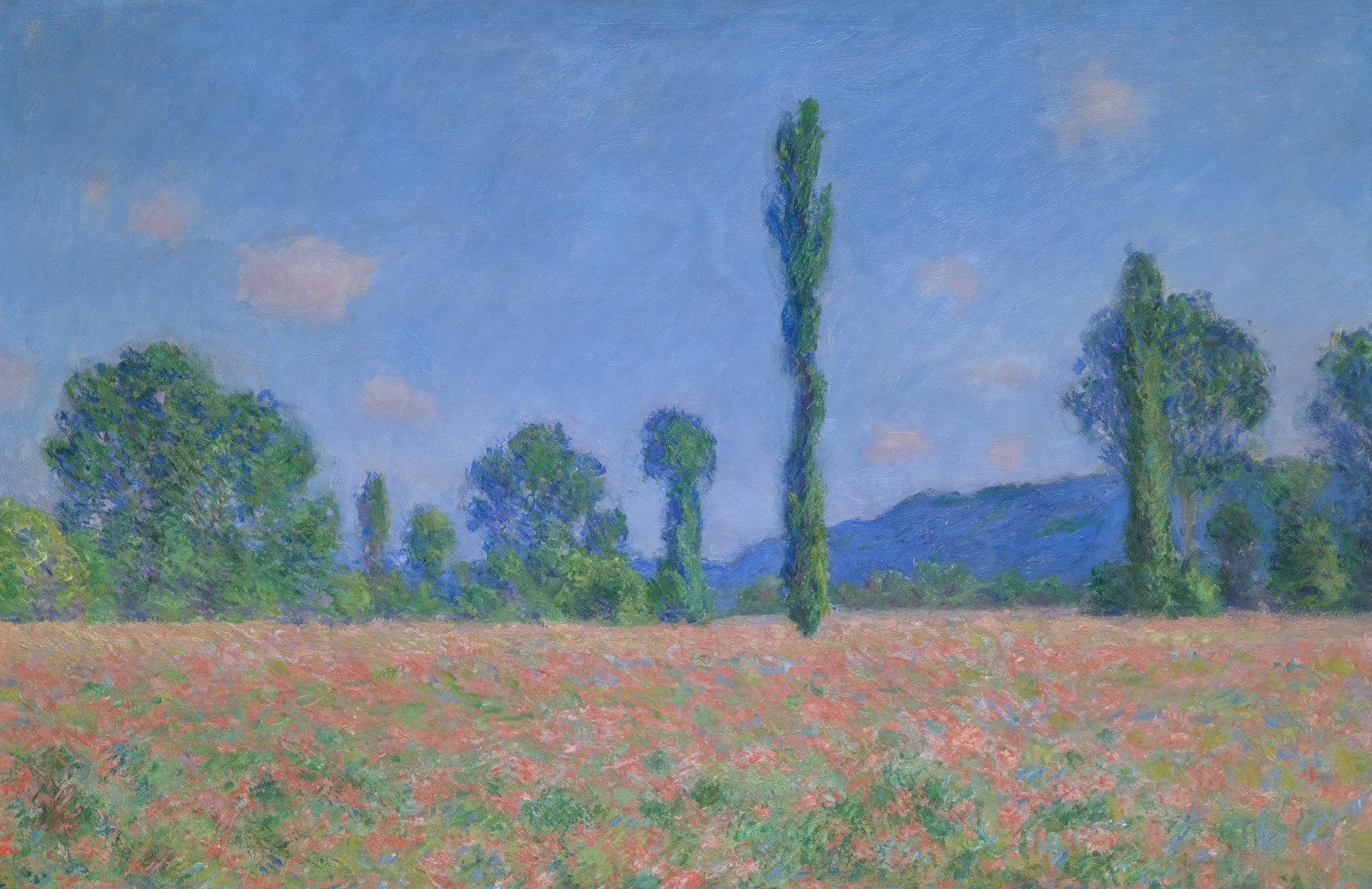
Late Monet removes the reassuring edge of the pond. Water, sky, leaf and reflection share one unstable surface, turning close observation into something almost abstract.
The subject is not simply a field. It is the sensation of air moving through colour: poppies flicker, trees soften and the painted surface makes a summer afternoon feel briefly recoverable.
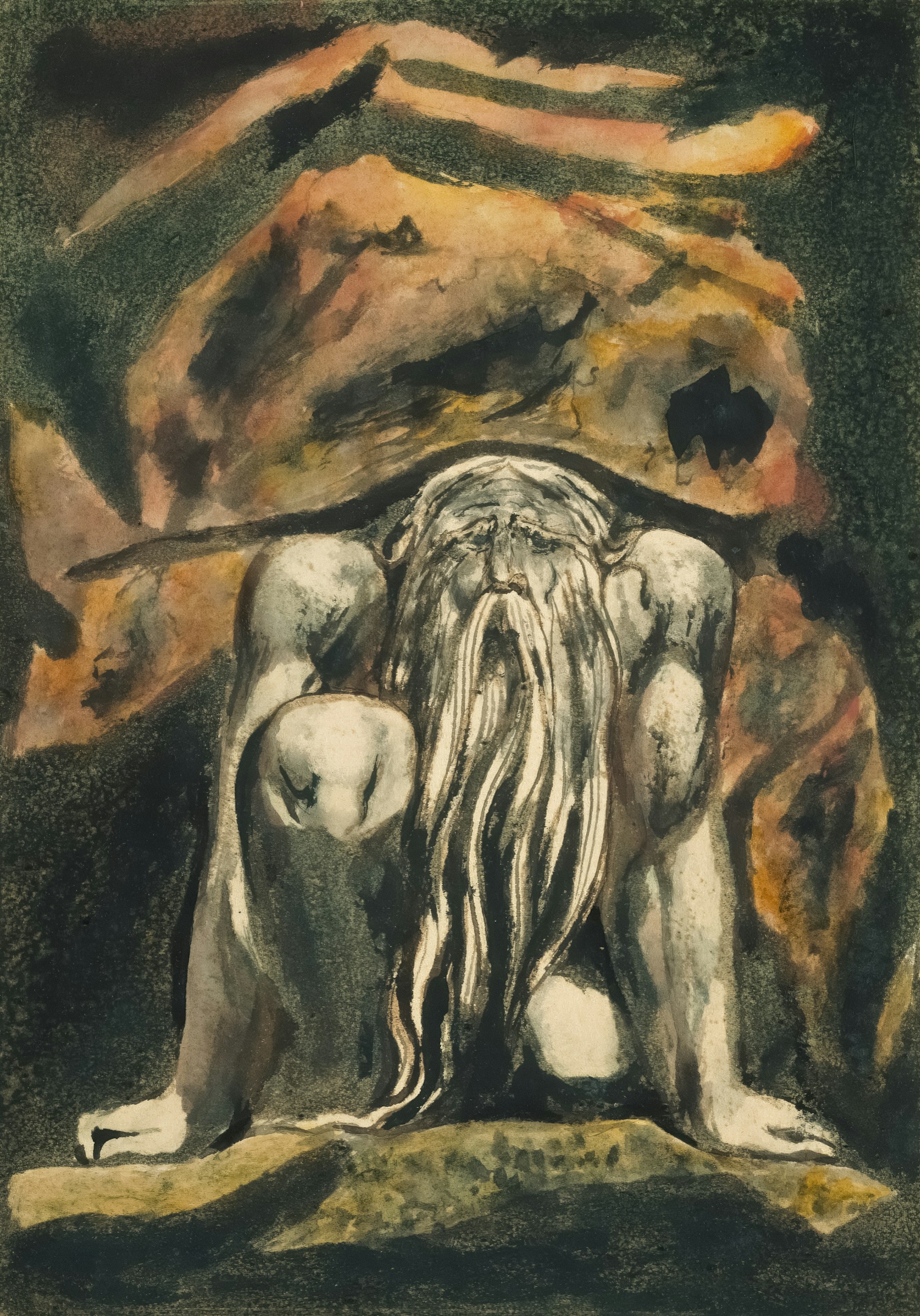
Blake joined poetry, image and prophecy into one private universe. Urizen is law and limitation made bodily: ancient, folded inward and trapped inside the systems he represents.
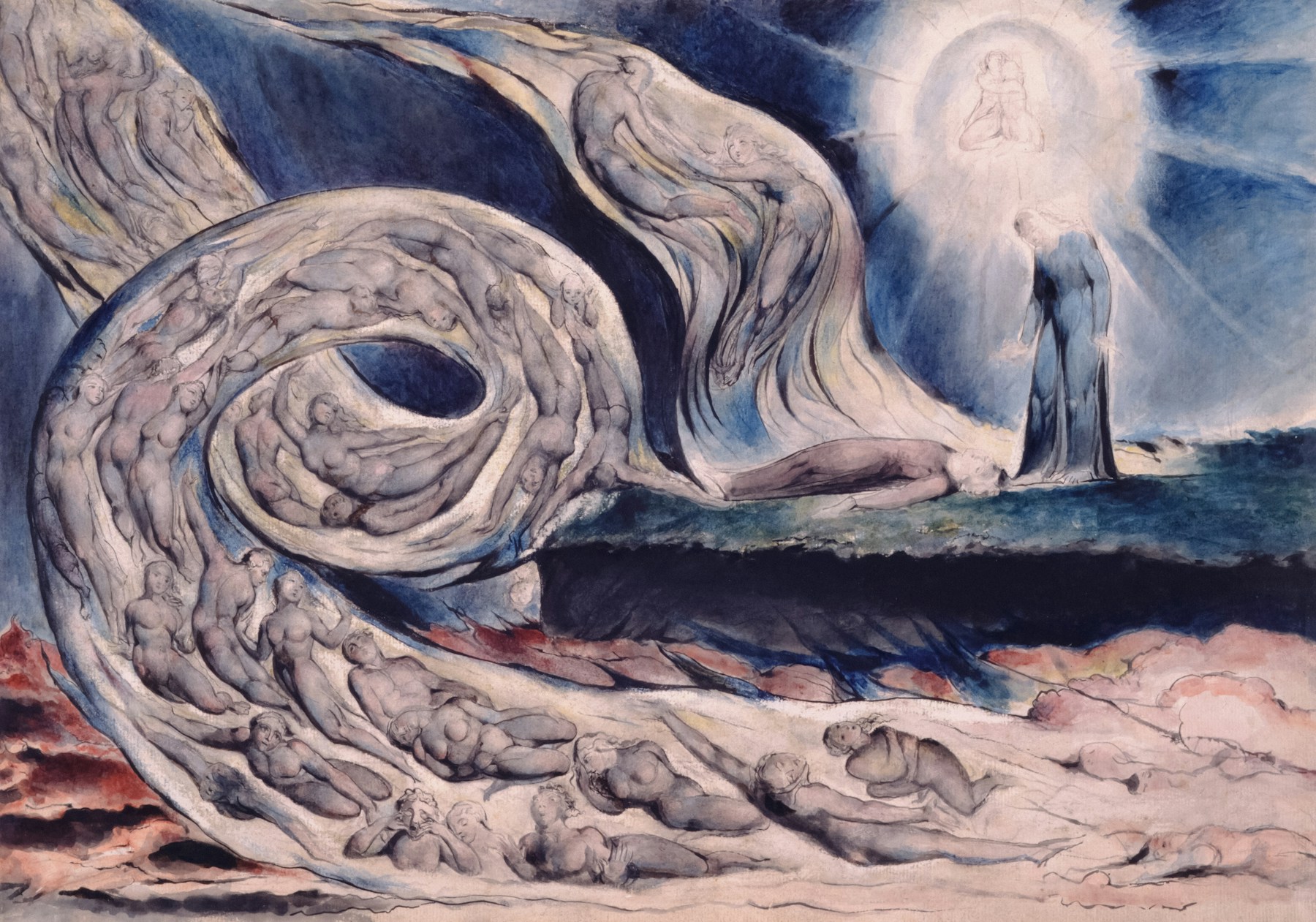
Blake’s Dante illustrations are not passive illustrations. The spiral of bodies turns moral allegory into weather, and the tiny standing figures become witnesses to a world made from emotion.
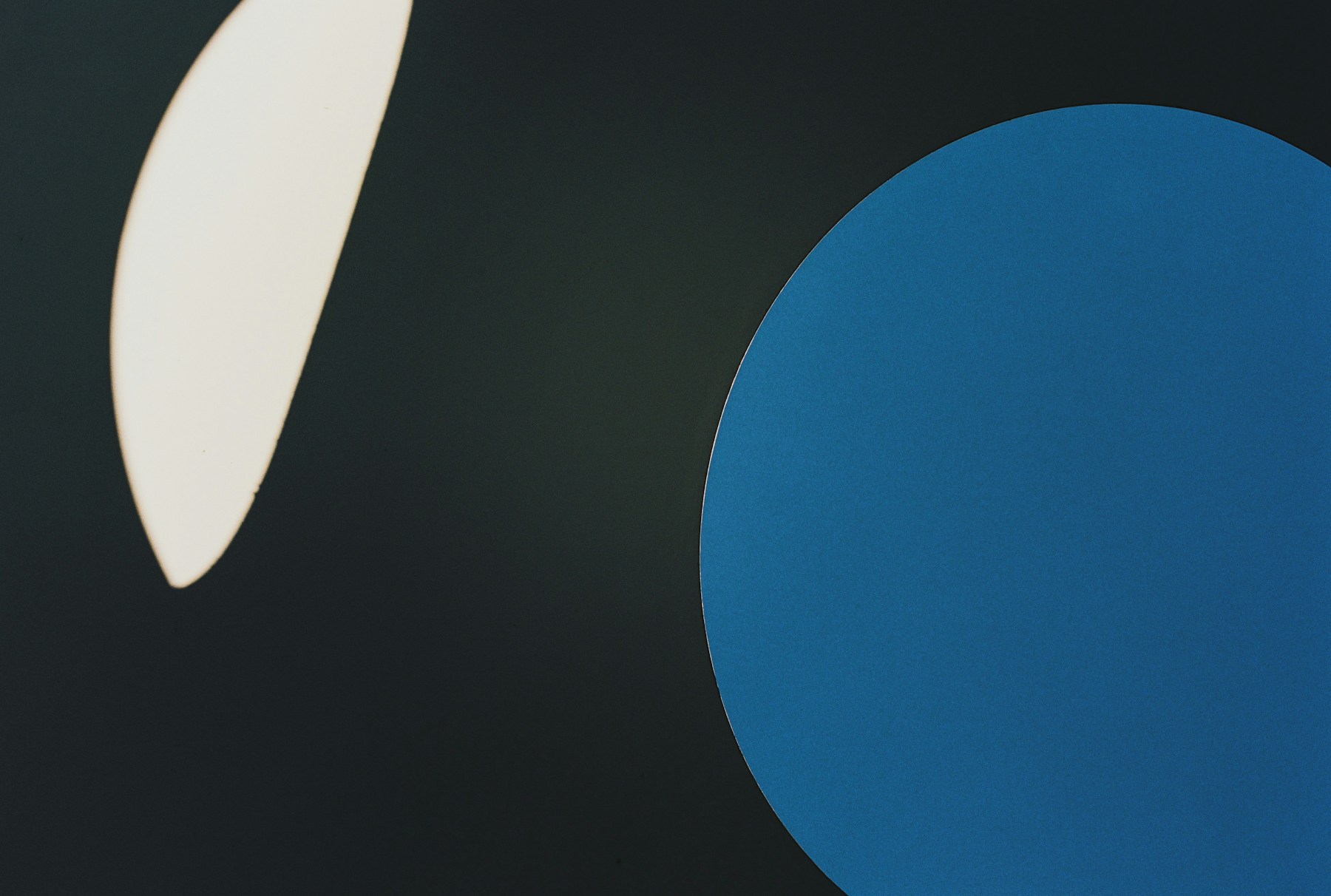
Turrell removes the ordinary boundary between architecture and sky. The aperture frames light so precisely that perception itself becomes the material—and looking becomes a durational act.
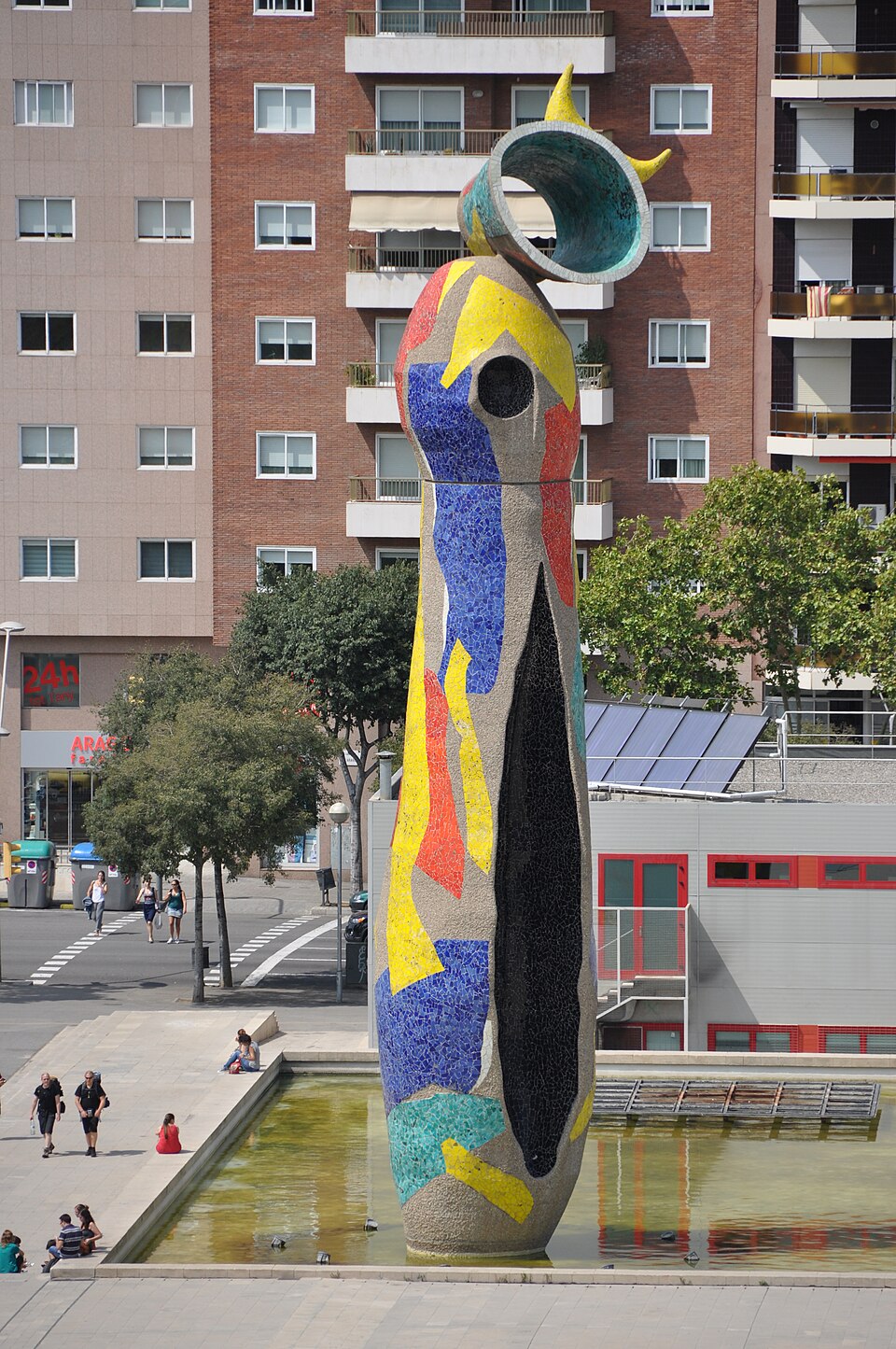
Miró’s women, birds and stars became an elastic visual alphabet. Here line becomes tower, colour becomes public landmark and the city receives a work that is playful without becoming small.
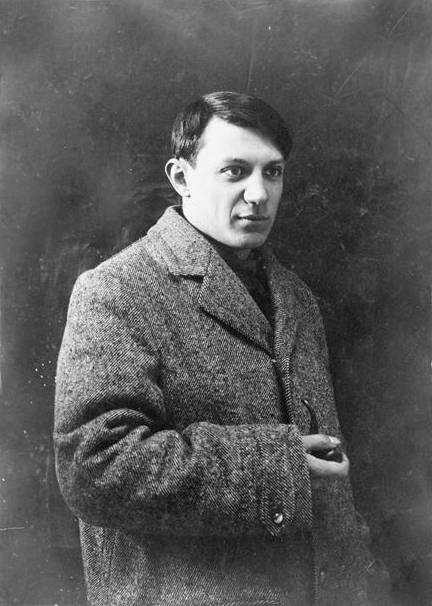
Picasso’s work around 1907 and 1908 compresses the face and room into built planes. The portrait matters because it returns the experiment to a young person in a coat, looking directly at a century he would help redraw.
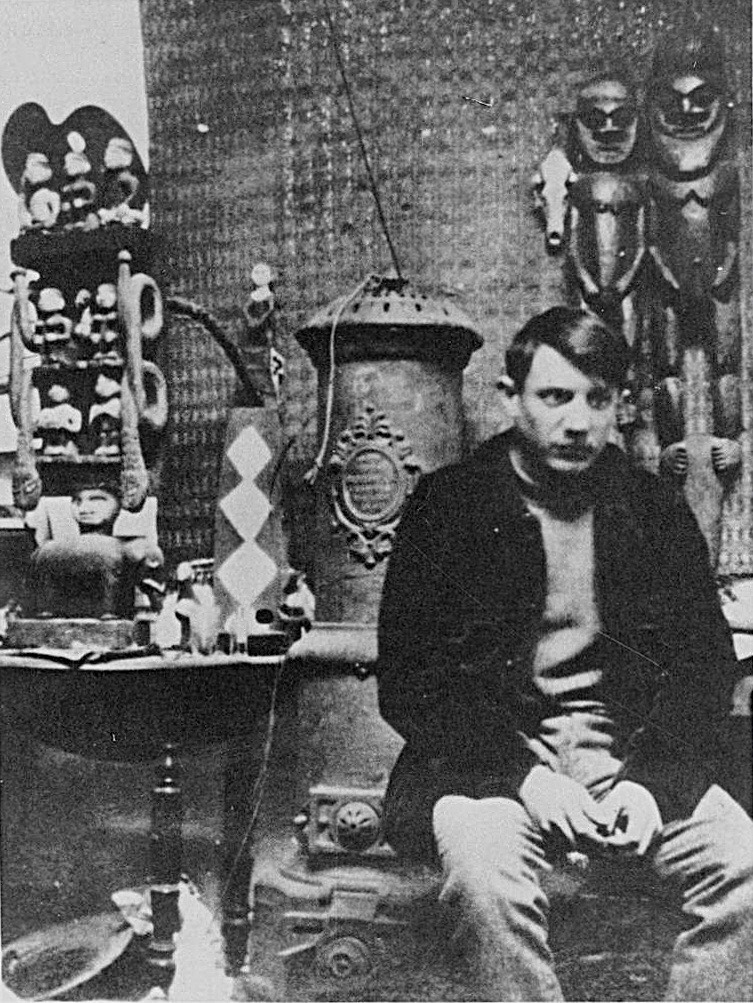
Masks, sculpture, paintings and unfinished objects share the room. The studio was not backdrop but engine: a place where forms crossed between media and Cubism emerged through relentless testing.
A collection assembled through friendship and exchange.
Its story links hospitality to twentieth-century art: artists stayed, ate and sometimes traded work, allowing the place itself to become a living archive.
Henri MatissePablo PicassoGeorges BraqueJoan MiróAlexander CalderFernand LégerRaoul DufyMarc ChagallCésarArman
Images are public-domain or openly licensed reproductions and photographs, credited at source. Museum and artist-foundation links provide further reading; artwork rights vary by work and jurisdiction.