Interiors / The collected house

Rooms with
a private mythology.

Victor Hugo’s radical home in Guernsey, Roman palazzi and the layered interiors that prove beauty is richer when it carries memory.

Enter the rooms
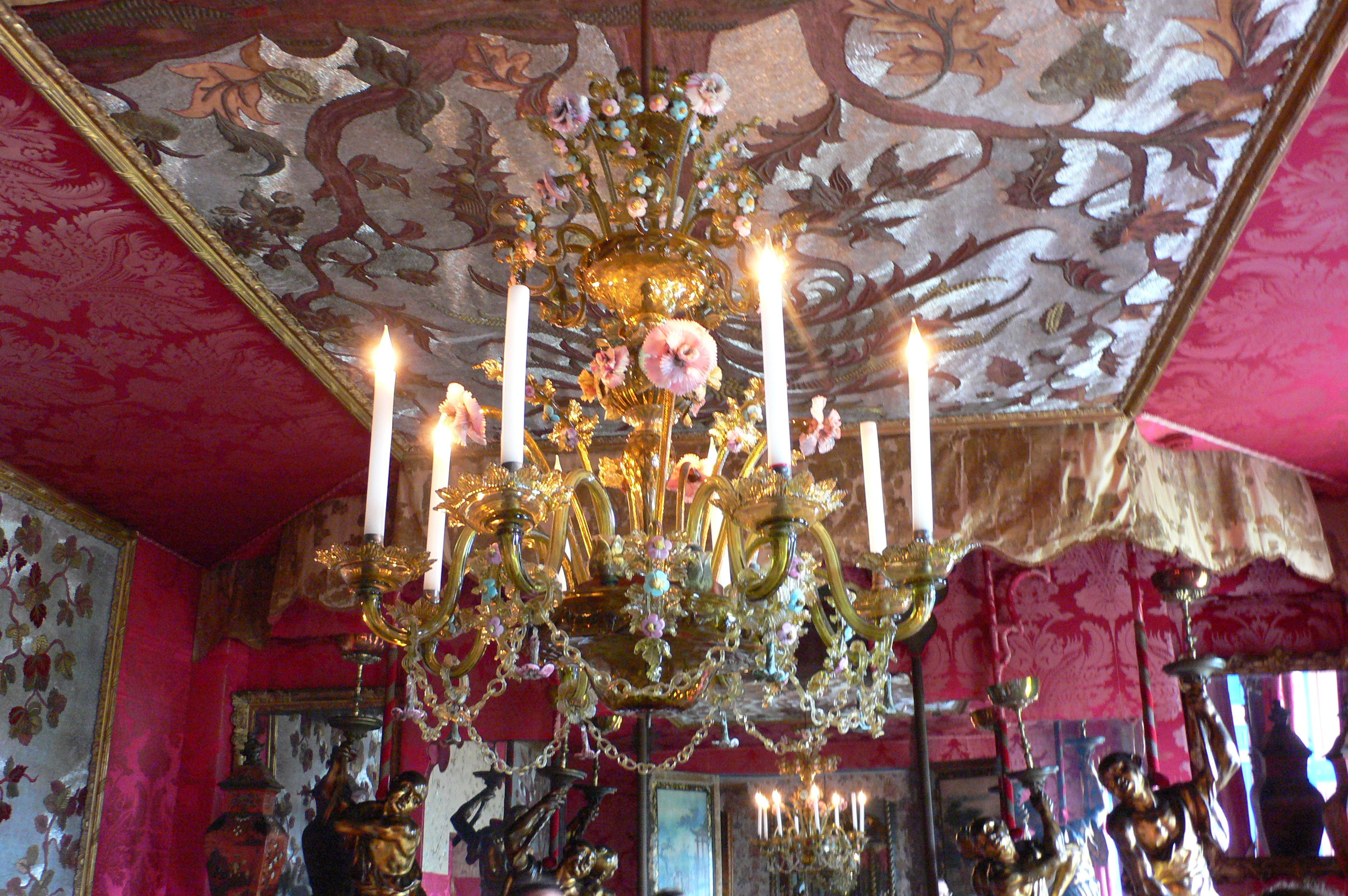
Red and mirrored room at Victor Hugo's Hauteville House
Hauteville House / Victor Hugo’s red room · Heather Cowper / Wikimedia Commons

The Room Atlas / Volume 02

Collected, storied, gloriously specific.

These are not rooms to copy literally. They are lessons in atmosphere, sequence, material and the confidence to let a house become personal.

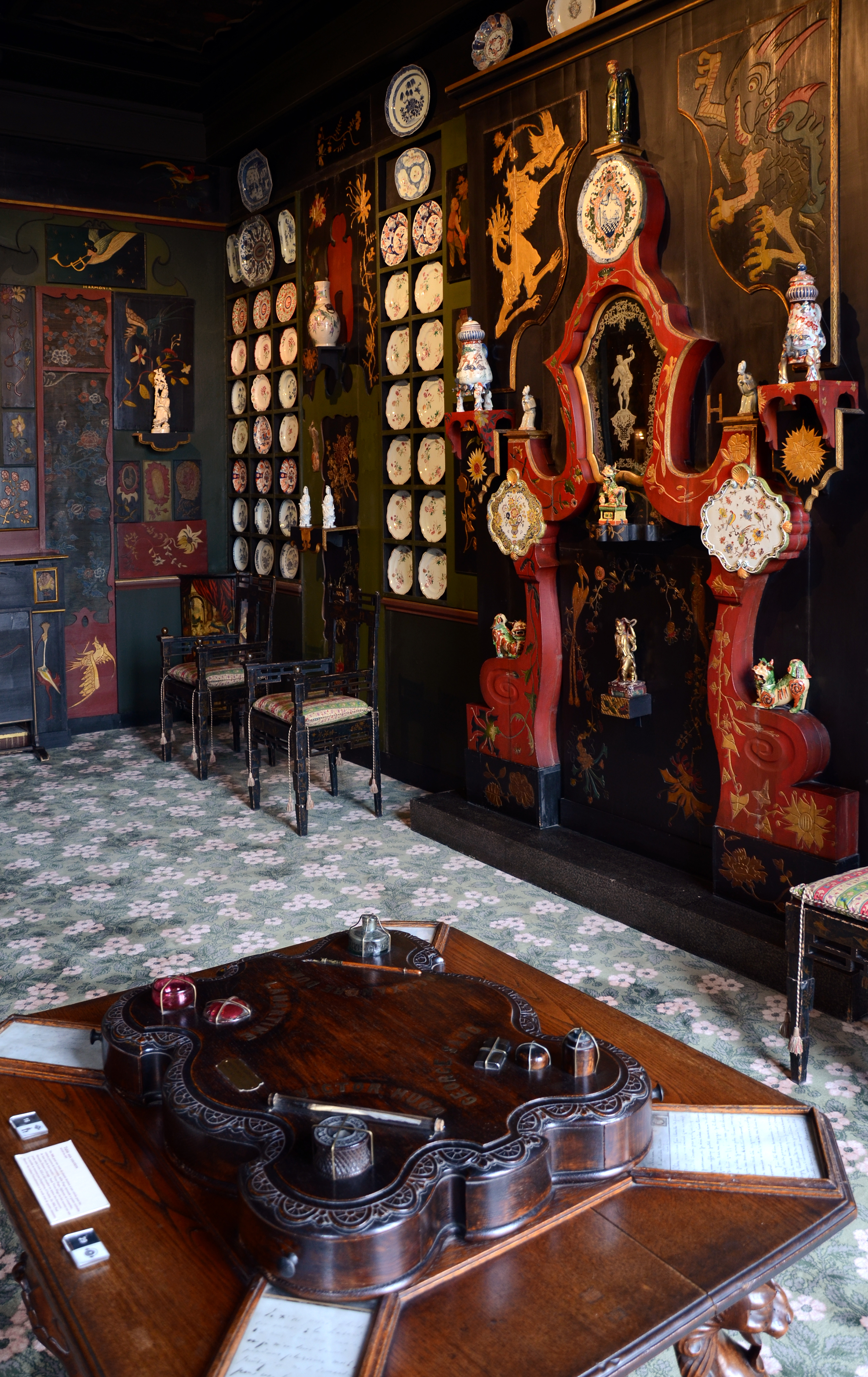
Victor Hugo's dark Chinese drawing room layered with lacquer and porcelain
Vassil / Wikimedia Commons

The Chinese drawing room

Victor Hugo treated the house as a three-dimensional manuscript. Lacquer, carved panels, textiles, mirrors and porcelain accumulate into a room whose meaning comes from association rather than a single approved style.

Why it matters: collecting becomes authorship. A house can hold argument, memory and fantasy at the same time.

Visit the place
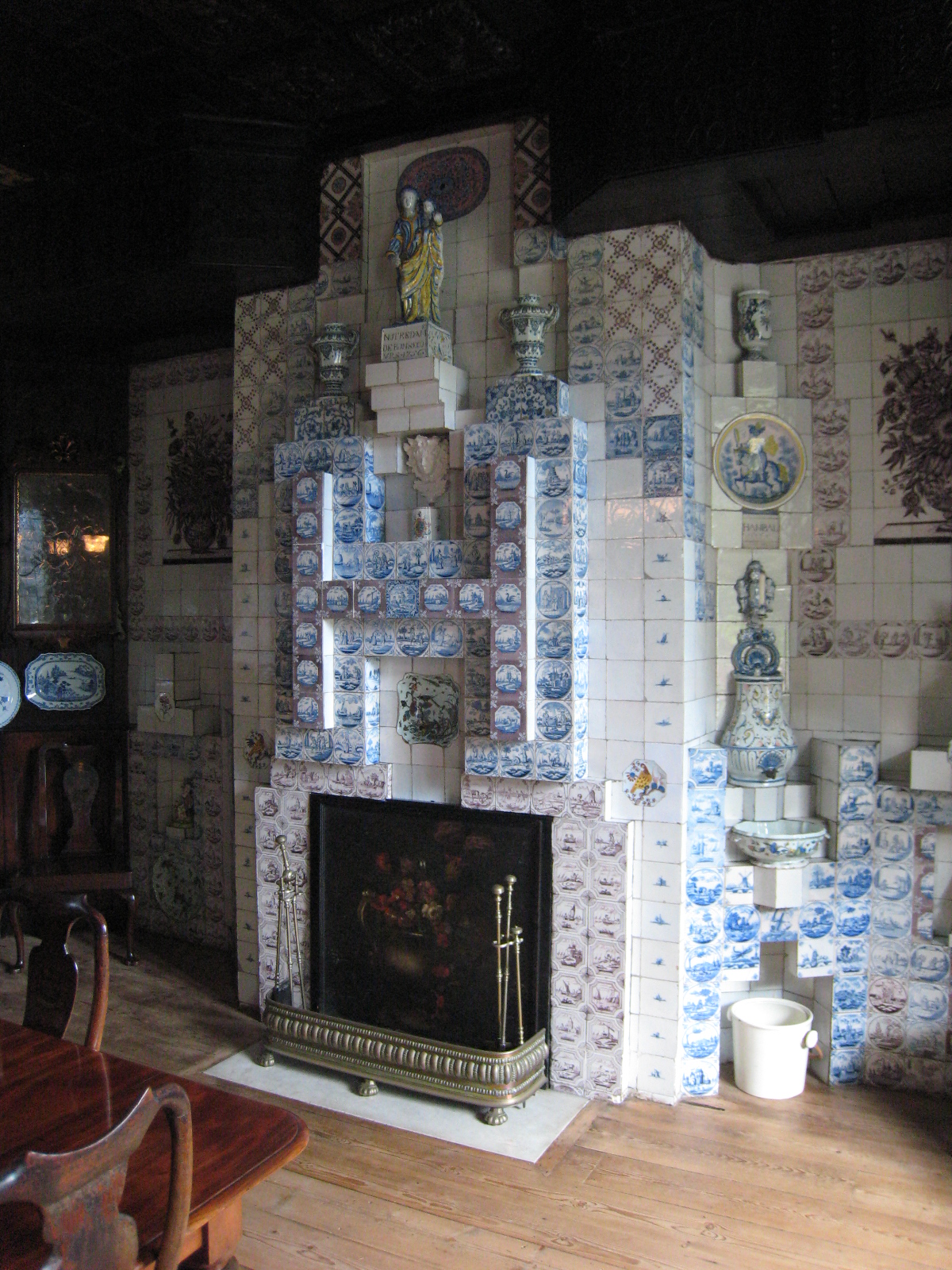
Fireplace at Hauteville House covered with blue and white Delft tiles
Frédéric Almaviva / Wikimedia Commons

The Delft-tile fireplace

Blue-and-white tiles turn a functional hearth into an assembled image field. Repetition gives order; mismatched scenes keep the eye moving.

Why it matters: one material, repeated with variation, can carry an entire room.

Visit the place
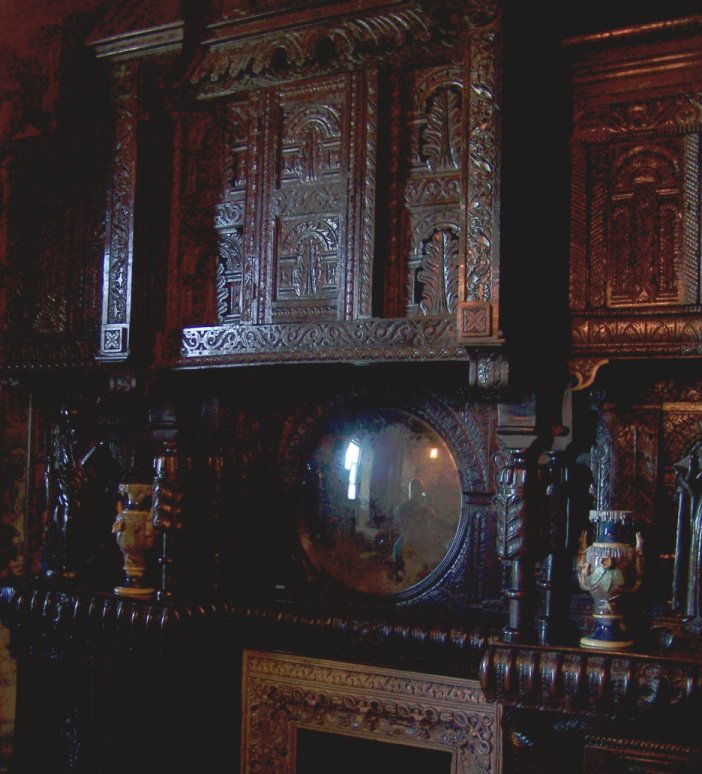
Dark carved wood interior designed by Victor Hugo at Hauteville House
Hannes 2 / CC BY-SA 2.0

The carved interior

Historic wooden panels absorb light and compress the room into something theatrical. Hugo designed with darkness as deliberately as another decorator might use white paint.

Why it matters: atmosphere is architectural. Shadow can be a material, not a flaw.

Visit the place
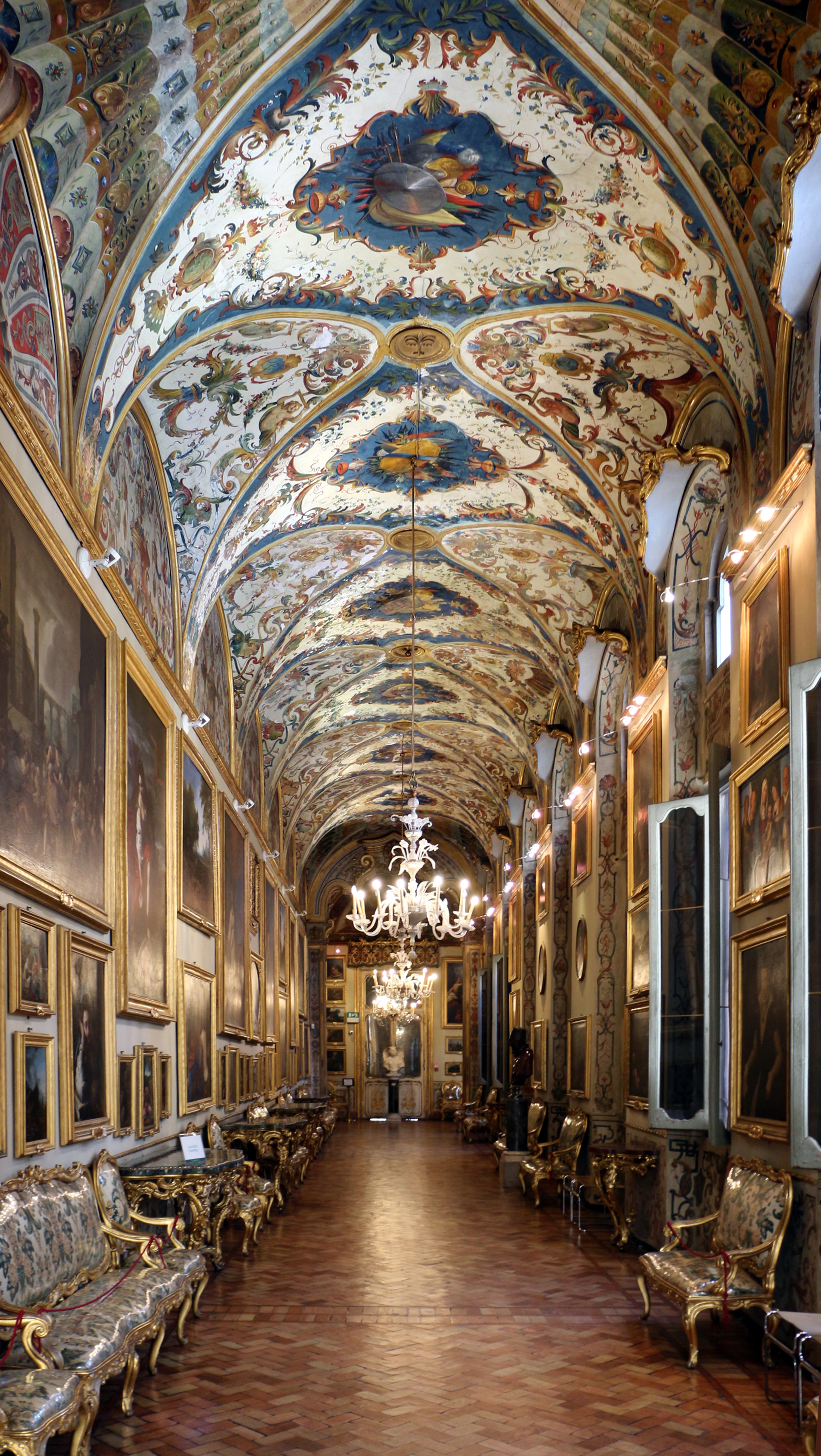
Long gilded gallery inside Palazzo Doria Pamphilj in Rome
Sailko / CC BY 3.0

The gallery as procession

The long Roman gallery edits movement through rhythm: marble pilasters, gilded frames and ceiling frescoes repeat until walking becomes part of the composition.

Why it matters: the best room is choreographed in time. It reveals itself as the body crosses it.

Visit the place
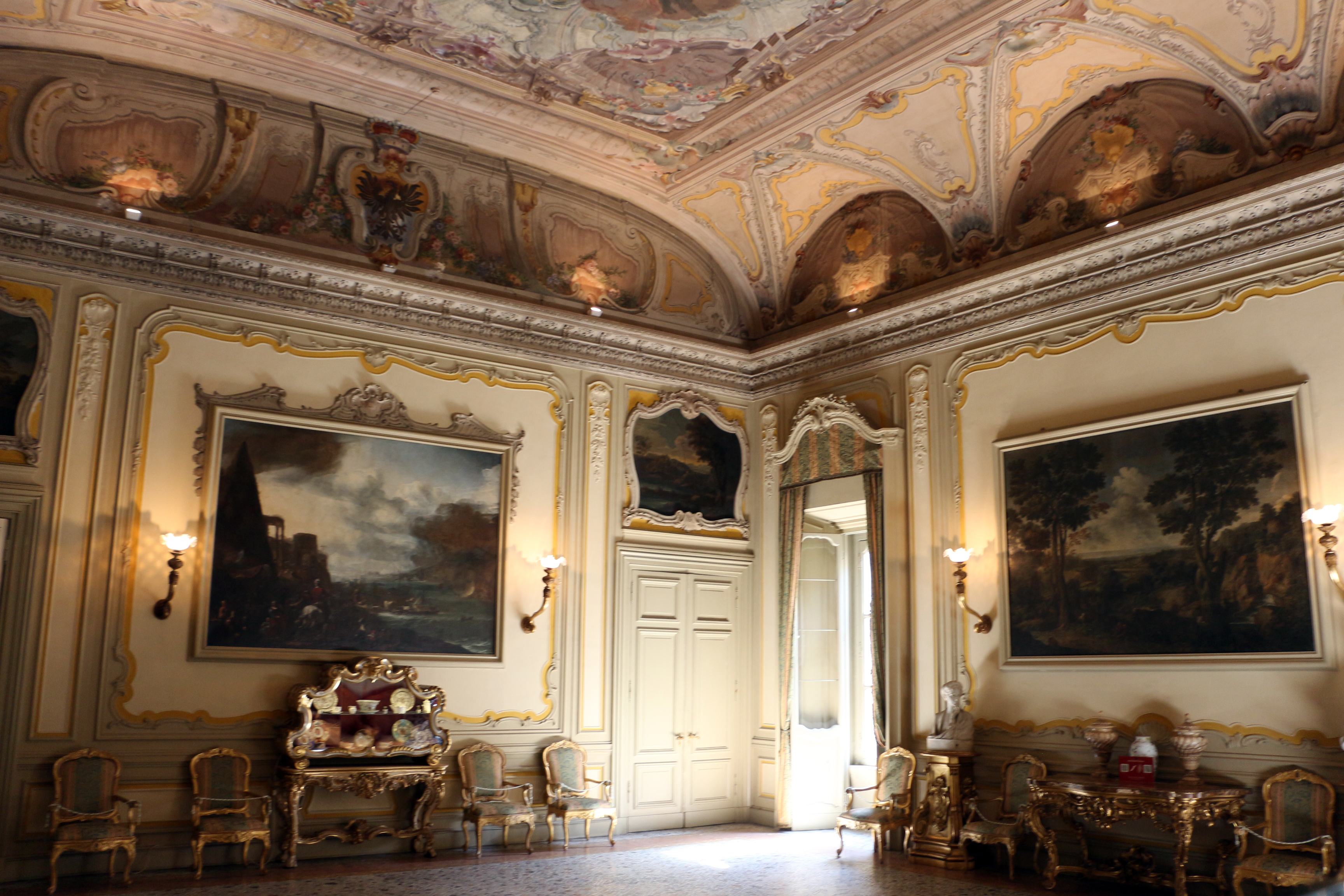
Pale painted state room at Palazzo Doria Pamphilj with antique furniture
Sailko / CC BY 3.0

The intimate state room

The apartment holds grandeur at a human scale. Painted overdoors, worn parquet and furniture with visible age prevent splendour from feeling like a showroom.

Why it matters: patina is evidence of life. Restoration should not erase every trace of use.

Visit the place
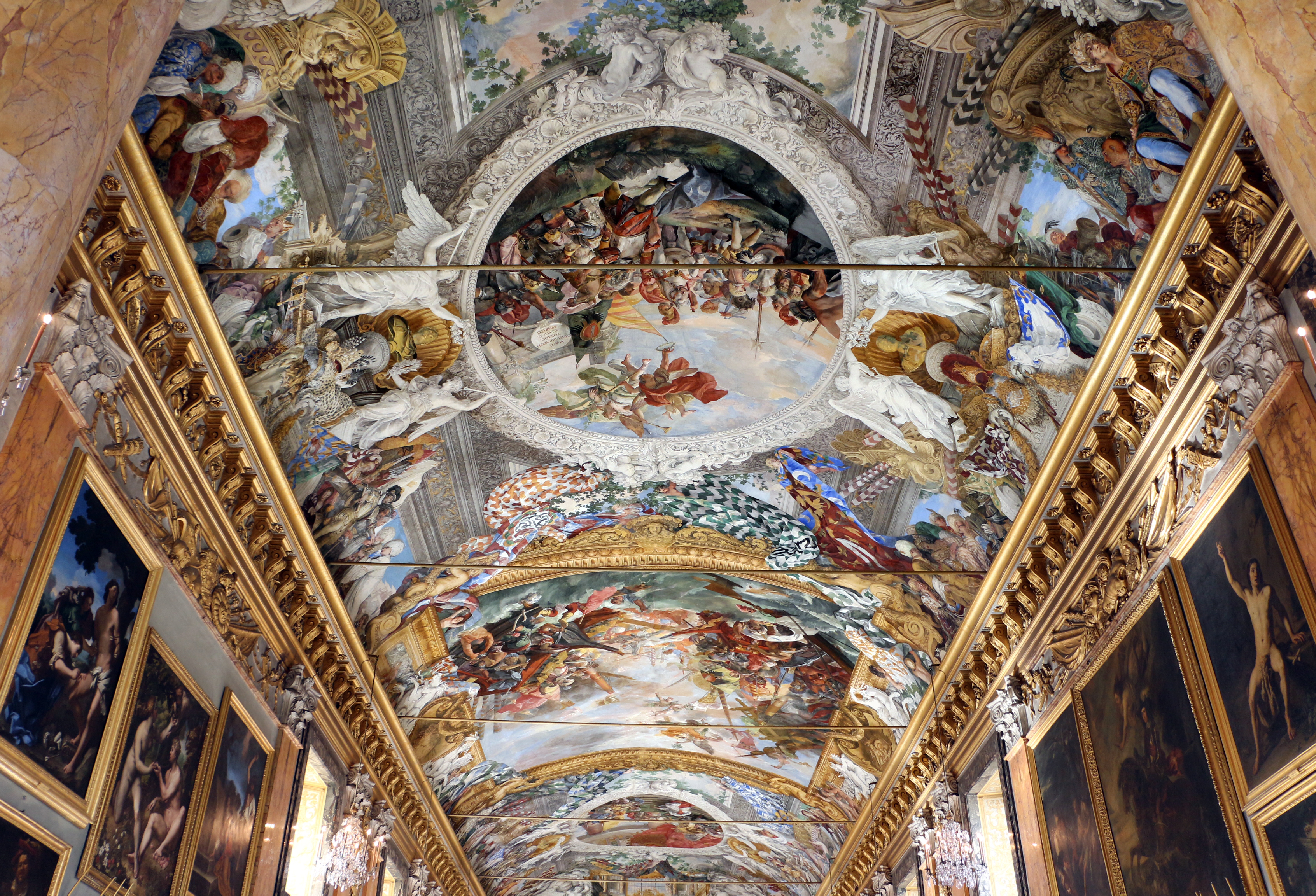
Painted and gilded vaulted ceiling in the Palazzo Colonna gallery
Sailko / CC BY 3.0

Ceiling as landscape

Paint, gilding and architecture collapse into one continuous field. The ceiling does not sit above the room; it changes the room's perceived height, temperature and drama.

Why it matters: decoration can alter space, not merely sit on its surface.

Visit the place
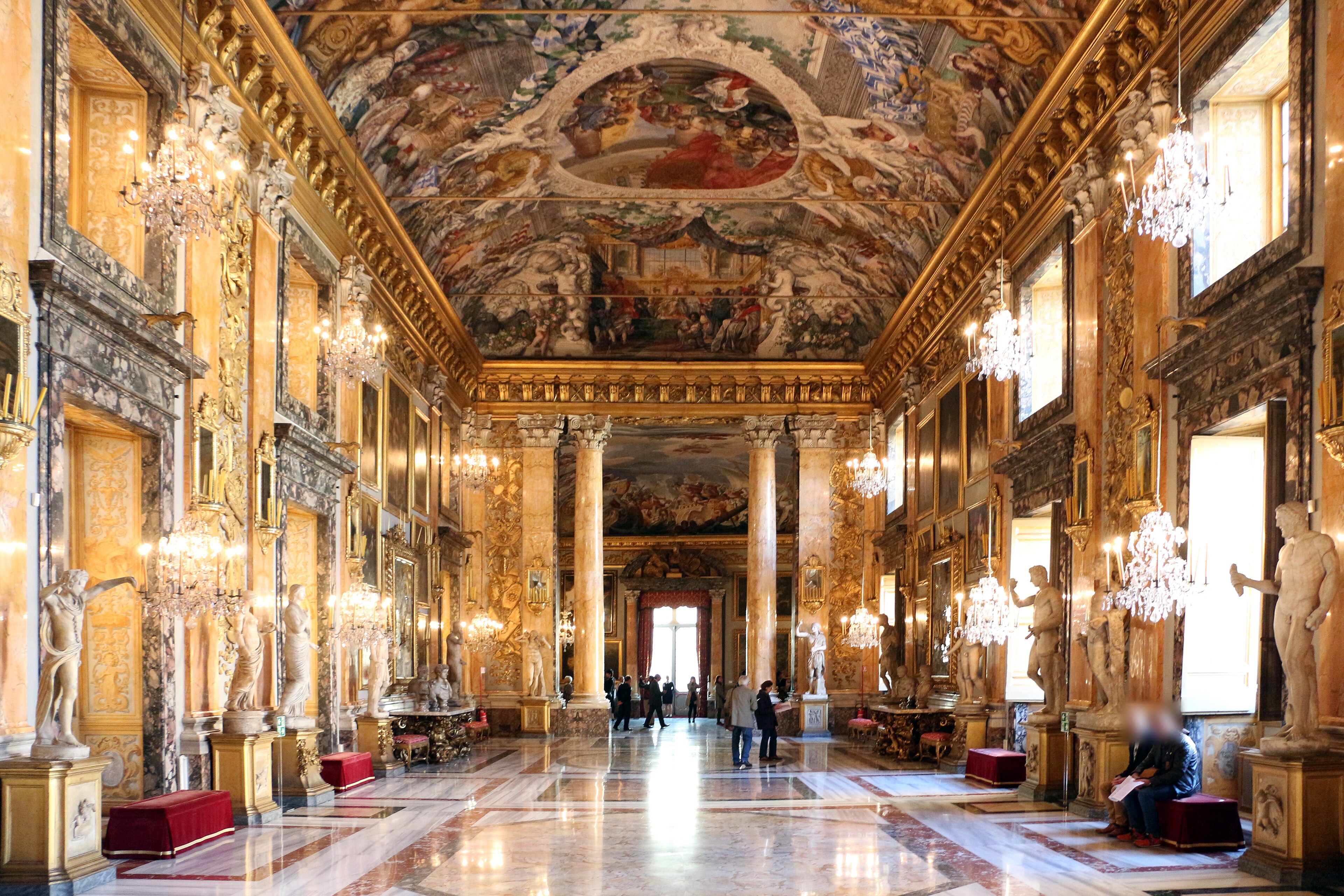
Grand marble and gilded gallery inside Palazzo Colonna in Rome
Sailko / Wikimedia Commons

The room of abundance

Marble, mirrors, crystal, fresco and painting share the same visual register. The result is unapologetically full, but symmetry and repeated axes keep it coherent.

Why it matters: maximalism succeeds when abundance still has structure.
Visit the place
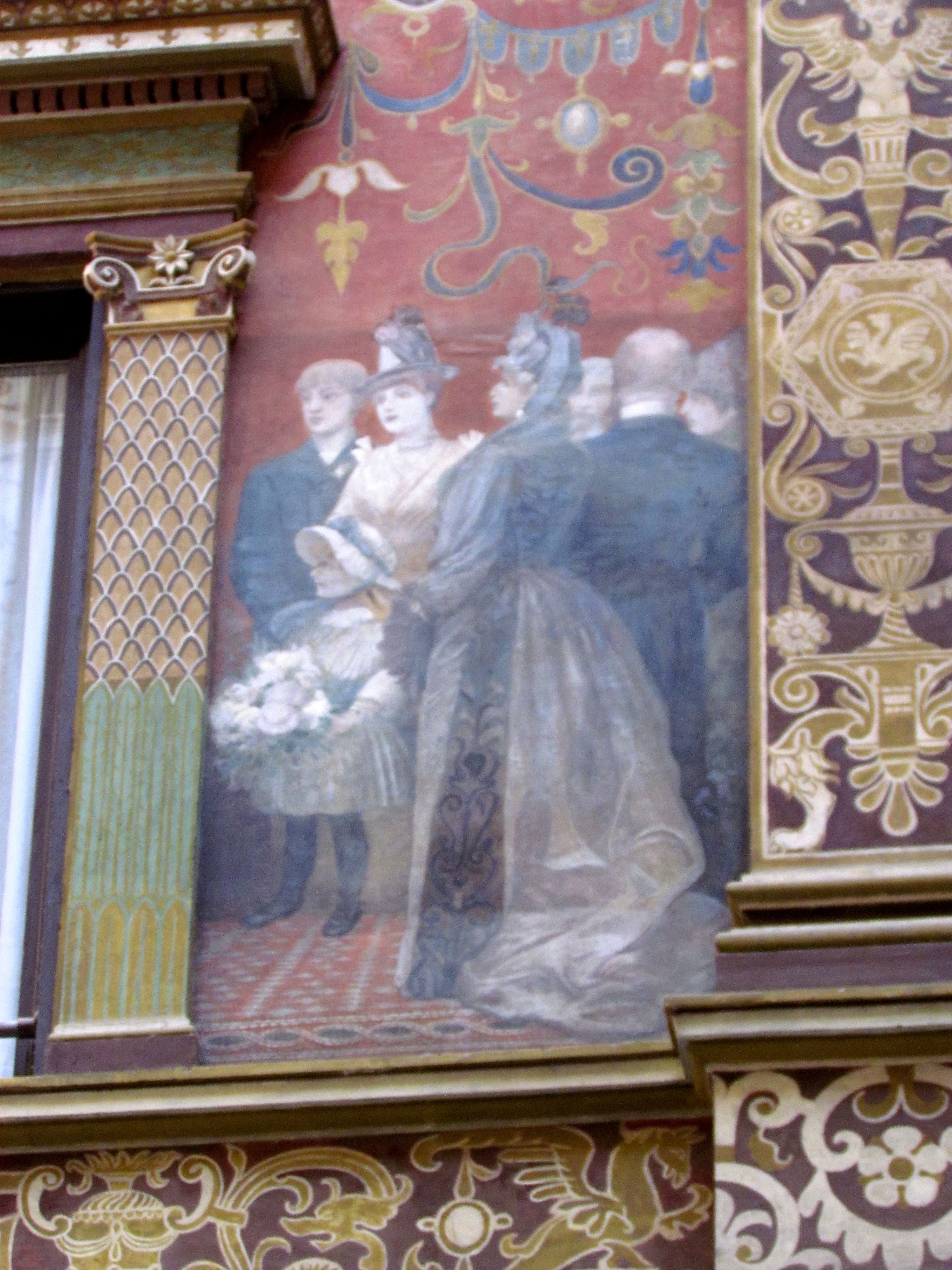
Painted female figures and ornament inside Rome's Galleria Sciarra
Frank C. Müller / Wikimedia Commons

The painted courtyard

An everyday passage becomes an immersive decorative world. The programme of female figures and dense ornament turns circulation into spectacle.

Why it matters: beauty need not wait behind a drawing-room door. Transitional space can be the memorable room.

Visit the place

A memorable room is never only a palette. It is a sequence of discoveries.

The Anima room code / 01

The Anima room code

01

Begin with memory.

Keep the object with a story, even when it is not perfect.

02

Mix time periods.

An old chair gives a new table context; contemporary art keeps antiques alive.

03

Design the journey.

Use thresholds, sightlines and lamplight to make movement through the house feel intentional.

All photographs are openly licensed and linked to their source pages. Architecture and collection links provide further historical context.