
The Anima image edit / supplied reference
What it means to be a child
Childhood is dependency, play, imagination and the gradual construction of safety. Early experience matters, but it is not a life sentence.
Source / further readingPsychology / The inner edit
A modern journal about childhood, attachment, intimacy and becoming—warm enough to feel human, careful enough not to diagnose you.

A beginning / Read slowly
Psychological language should create understanding—not turn every difficult feeling into pathology.
The Anima image edit / supplied reference
Childhood is dependency, play, imagination and the gradual construction of safety. Early experience matters, but it is not a life sentence.
Source / further reading
The Anima image edit / supplied reference
Online, the term is used too broadly. Clinically, it is often used to describe a powerful attachment shaped by cycles of harm and intermittent kindness—not simply a difficult relationship.
Source / further reading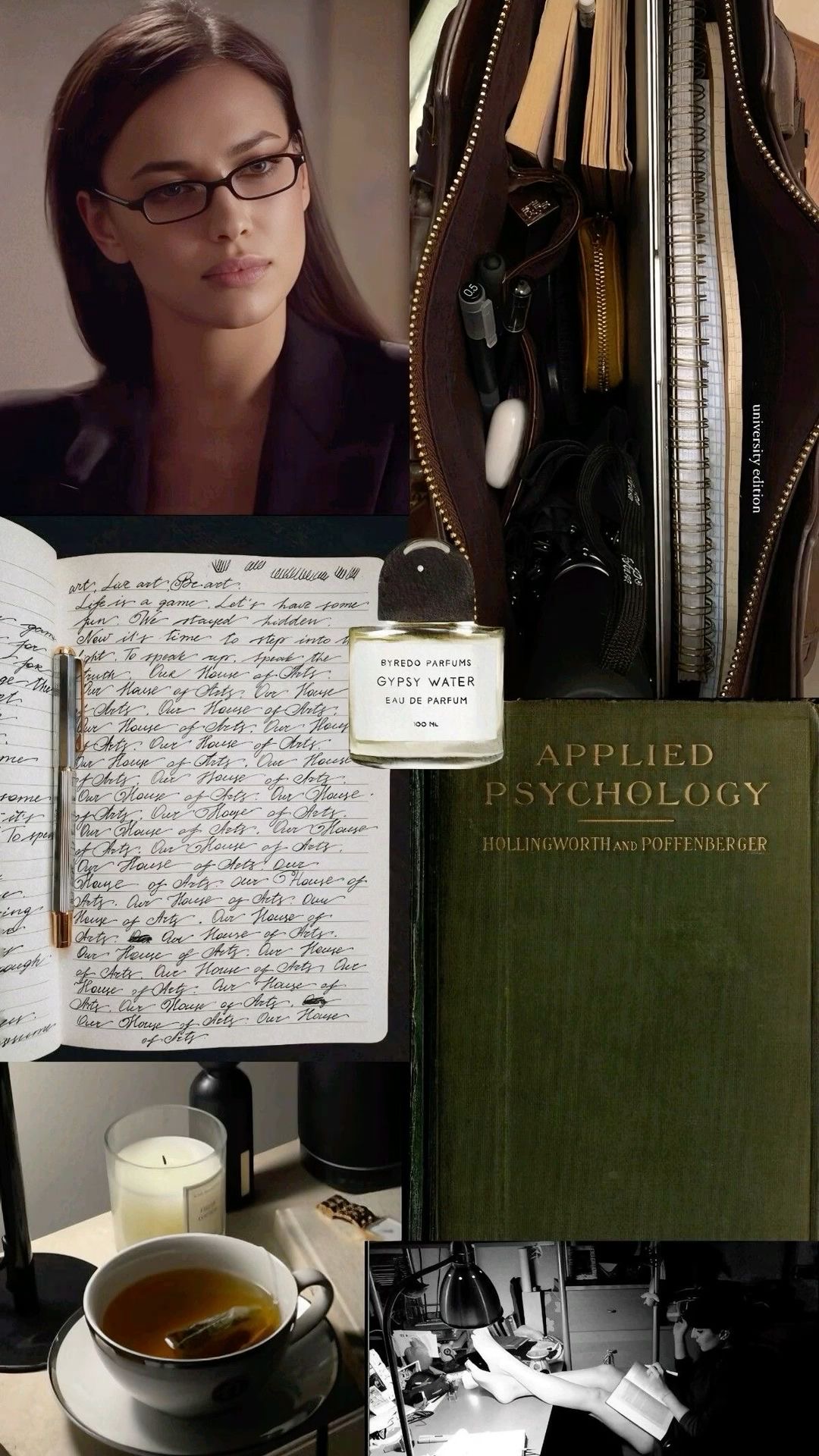
The Anima image edit / supplied reference
Attachment theory can offer a language for closeness and protection. It should be a lens for reflection, not an internet diagnosis or a label imposed on a partner.
Source / further reading
The Anima image edit / supplied reference
Intensity can feel intimate. Secure love is also built through reliability, repair, consent, emotional safety and the freedom to remain yourself.
Source / further reading
The Anima image edit / supplied reference
Play is not frivolous: it can support creativity, connection and psychological flexibility across the lifespan.
Source / further reading
The Anima image edit / supplied reference
Remembering, anticipating and coordinating can become work of its own. Naming the load is a first step toward sharing it more honestly.
Source / further reading
The Anima image edit / supplied reference
Chosen solitude can create room for reflection and restoration. Loneliness is different: it is the painful feeling that the connection we need is missing.
Source / further reading
The Anima image edit / supplied reference
Body image is shaped by memory, culture, comparison and the way we speak to ourselves. A body can be cared for without being treated as a problem to solve.
Source / further reading
The Anima image edit / supplied reference
A simple repeated ritual can reduce decision-making and signal a transition from effort into rest. The value lies in steadiness, not perfection.
Source / further readingBibliography: Harvard Center on the Developing Child; Women’s Aid; NCBI Bookshelf; Love Is Respect; National Institute for Play; American Psychological Association; World Health Organization; National Eating Disorders Association; NHS Mental Health. This page is educational and not a substitute for mental-health care.