The Anima Edit / Health, edited
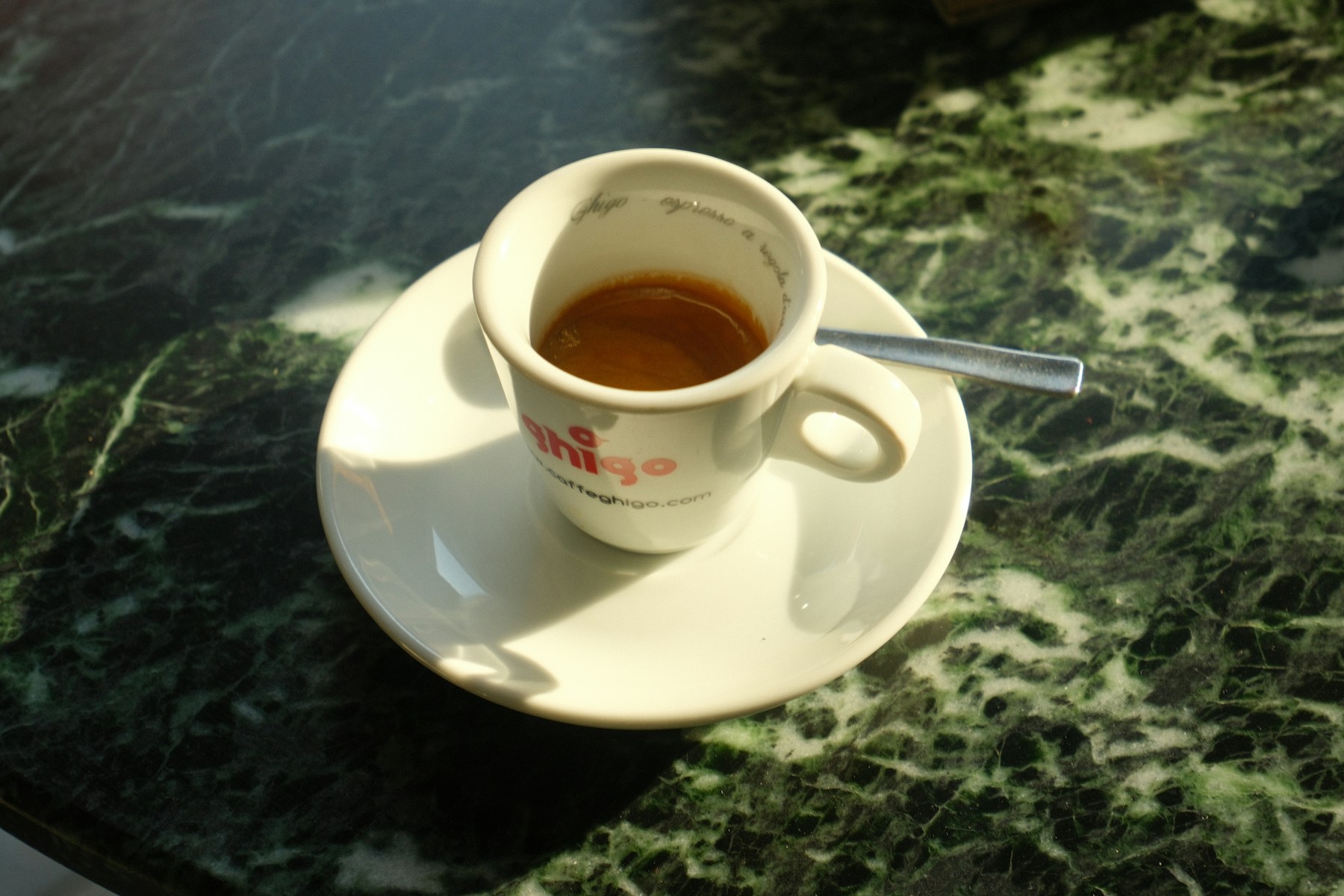
Coffee and matcha do not need to become either a vice or a personality. Caffeine can sharpen attention and make a morning ritual genuinely pleasurable. Sensitivity, however, varies widely—and the cup that feels effortless at breakfast can feel very different late in the day.
European safety guidance says that total daily intakes up to 400 milligrams generally do not raise safety concerns for healthy, non-pregnant adults, while noting lower guidance in pregnancy and that even 100 milligrams close to bedtime can affect sleep in some people. A ceiling is not a target.
Start with timing. If sleep is fragile, move the final caffeinated drink earlier and notice the result before buying another supplement. Remember that coffee, tea, matcha, energy drinks and some medicines all contribute to the total.
Palpitations, anxiety, pregnancy, certain health conditions and medication interactions are reasons to seek individual advice rather than applying a generic number.
The right amount is personal; the timing still matters.
This article is for general information and is not a substitute for individual medical advice, diagnosis or treatment.
The Anima Edit